

Description
This coffee is best suited for filter brewing.
An expressive multi-stage washed Caturra variety from the world-renowned Granja Paraiso 92 farm in Cauca, southwestern Colombia. Vivid sweetness & florals abound.
GREEN PRICE: £18 per kilo
AMOUNT PURCHASED: 24kg
£18.00
Producer
Wilton BenitezCup Profile
Pink Lemonade& Hibiscus
Country
ColombiaPreparation
Advanced WashedTerroir
Granja Paraiso 92Piendamó
Cauca
Genetics
CaturraAltitude
1,950mCup Score
88Sourcing
Micafe
Description
This coffee is best suited for filter brewing.
An expressive multi-stage washed Caturra variety from the world-renowned Granja Paraiso 92 farm in Cauca, southwestern Colombia. Vivid sweetness & florals abound.
GREEN PRICE: £18 per kilo
AMOUNT PURCHASED: 24kg
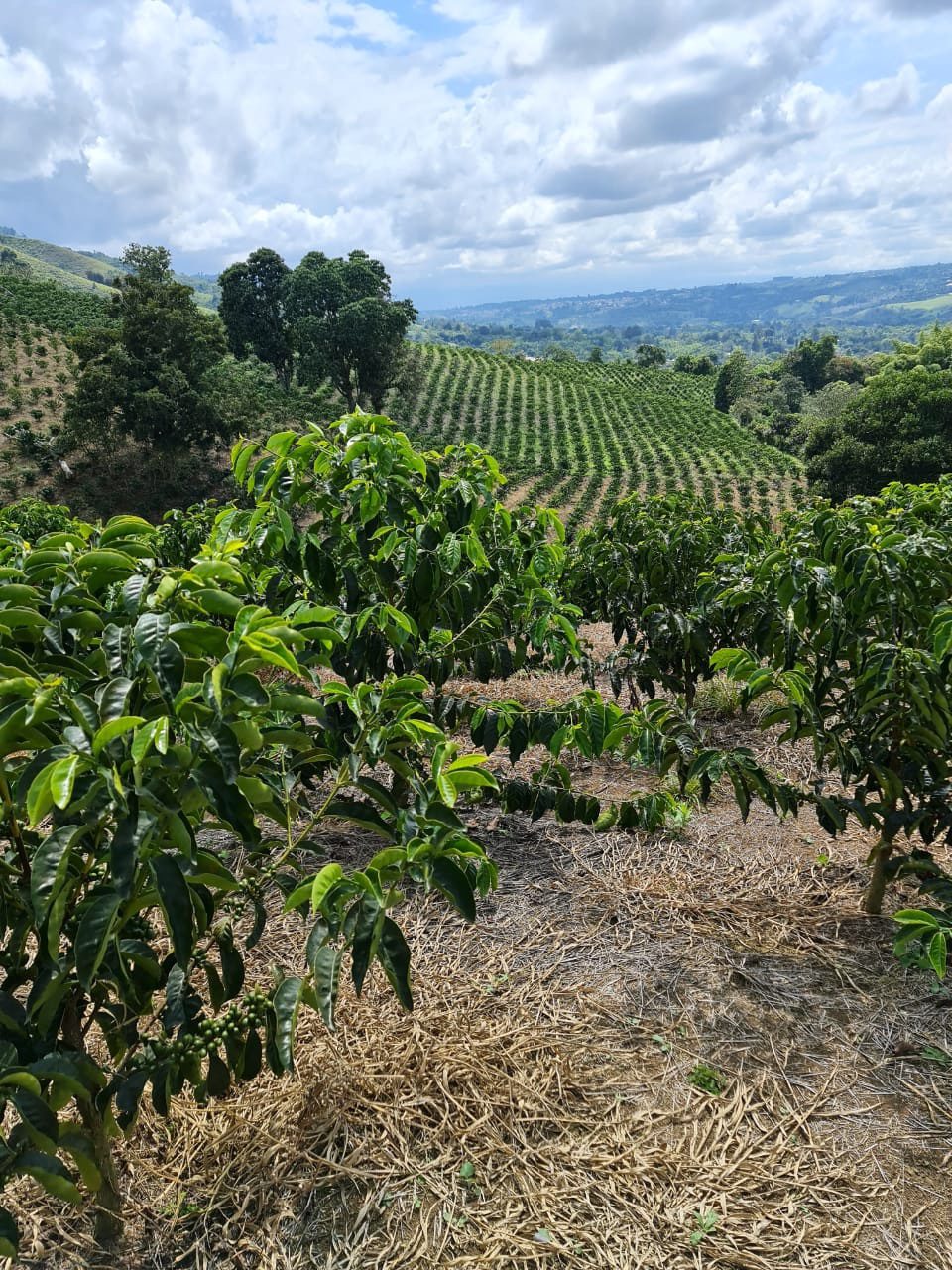
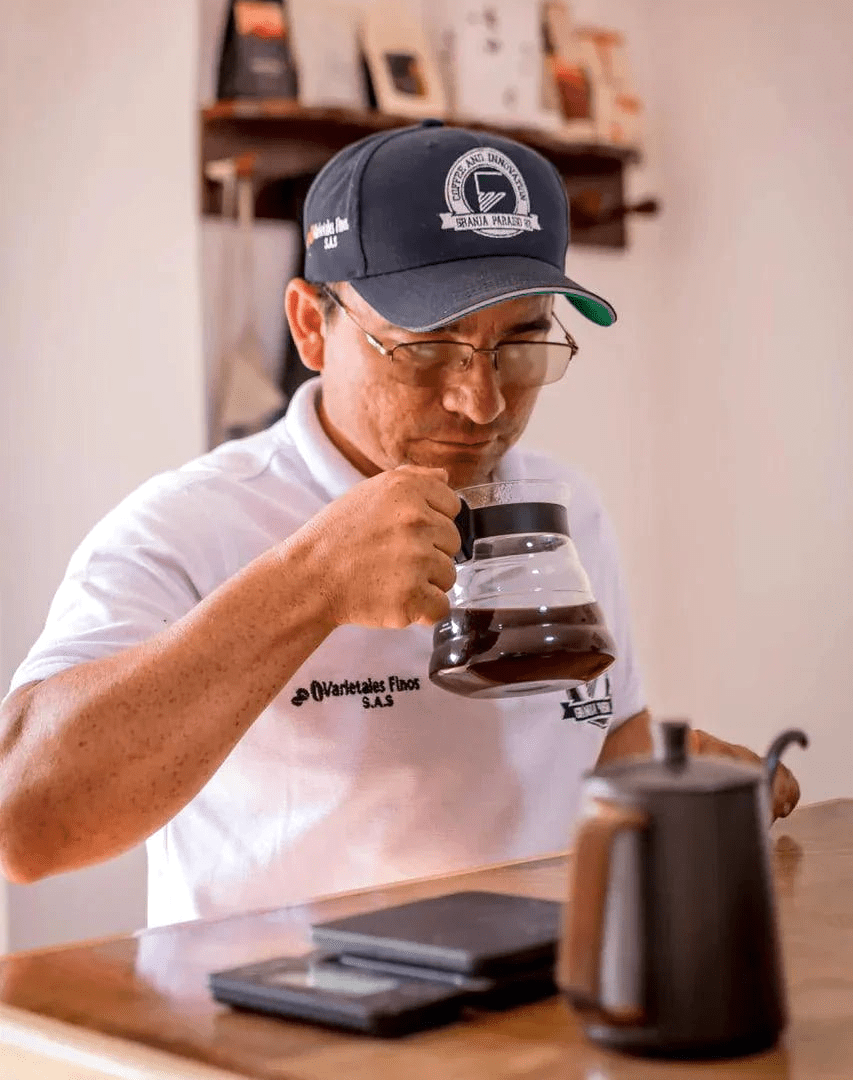
Situated high in the foothills of Piendamó, Cauca sits Granja Paraiso 92. Here, famed producer Wilton Benitez operates the farm – specialising and refining the pioneering processing techniques they became known for. Wilton actually began learning fermentation methods used in various industries including wine, beer and cheese. Once he had an understanding of how these products were processed, he began controlling certain variables in the processing of coffee, including the sugar content, PH level and fermentation duration.
Caturra is a variety commonly cultivated throughout Colombia. Often times, it’s used as part of a regional ‘field blend’, usually alongside the likes of Castillo & Variedad Colombia. The processing of this coffee is very in depth (hence, why we just refer to it as ‘advanced washed’ for the sake of brevity), but here’s a full breakdown of the steps involved:
Manual harvest / Characterisation of the cherry / Classification of the cherry by density & size / Sterilisation of the cherry (with UV and Ozone) / First phase of cherry fermentation for 52 hours in bioreactors with a relief valve at a temperature of 18°C / During cherry fermentation, addition of specific yeast (Saccharomyces pastorianus) to enhance fruity notes / Cherry pulping / During cherry fermentation the mucilage is recovered. This is then added in to the second phase of fermentation after pulping / Second phase of fermentation in mucilage for 48 hours at 21°C / Fermentation for 68 hours / Washing of the grain with a thermal shock process (in order to fix the secondary aromas developed during the different fermentation phases), first: water at 40°C and second: water at 12°C / Drying of the grain with controlled equipment for 48 hours at 38°C
…it’s a simple as that folks.