
Description
This coffee is well suited for both espresso & filter brewing.
Our current decaf option is a natural process Castillo from Cesár in northern Colombia. It has a well-rounded, slightly boozy texture; with hints of red berries, dry fruits and sweet sugary notes of chocolate & nut.
GREEN PRICE: £11.15 per kilo
AMOUNT PURCHASED: 280kg
Price range: £13.00 through £45.00
Producer
Multiple(3 farmers)
Cup Profile
Cranberry &Marzipan
Country
ColombiaPreparation
NaturalSugar Cane (Ethyl Acetate) Decaffeination
Terroir
PerijáCesár
Genetics
CastilloAltitude
1,800 - 2,000mCup Score
84Sourcing
Arcadia
Description
This coffee is well suited for both espresso & filter brewing.
Our current decaf option is a natural process Castillo from Cesár in northern Colombia. It has a well-rounded, slightly boozy texture; with hints of red berries, dry fruits and sweet sugary notes of chocolate & nut.
GREEN PRICE: £11.15 per kilo
AMOUNT PURCHASED: 280kg
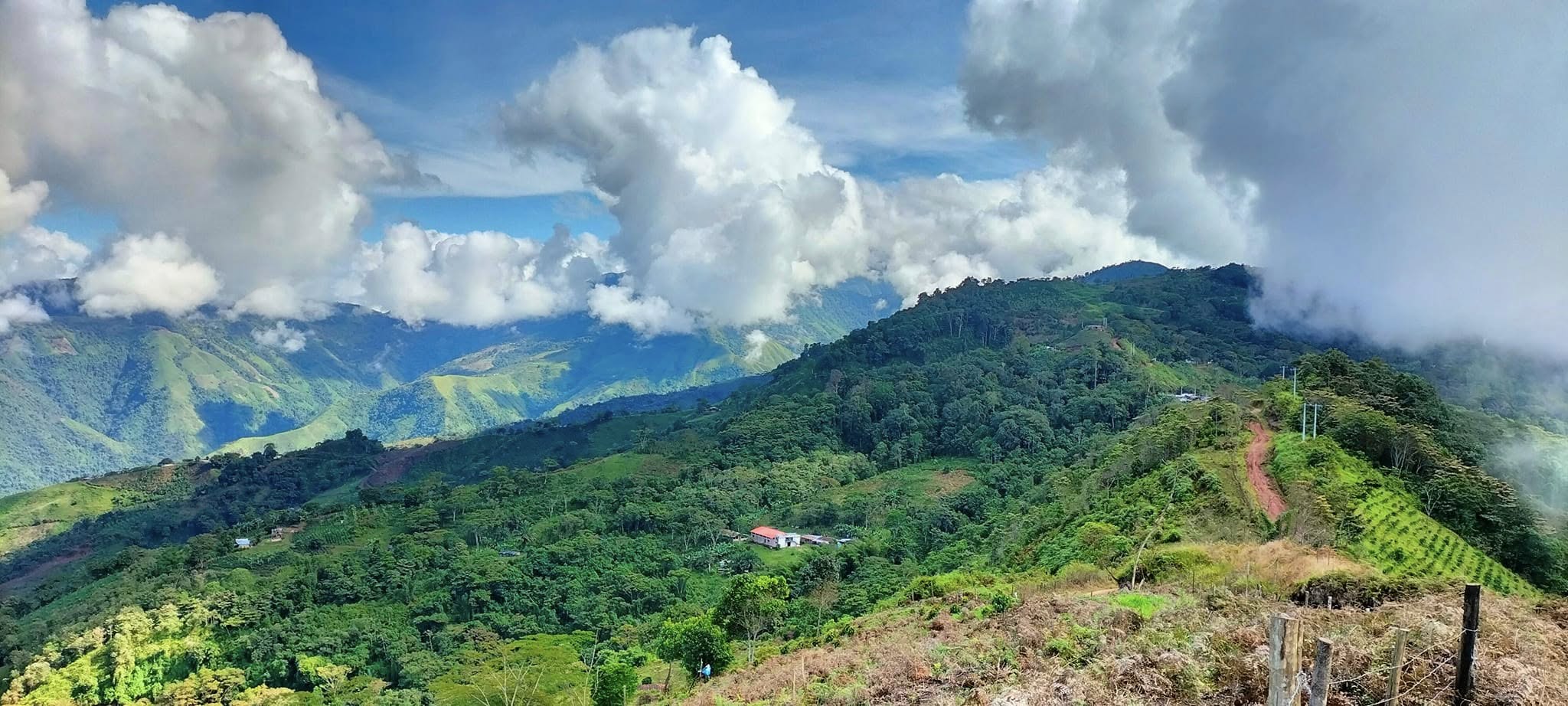
High in Colombia’s Serranía del Perijá, coffee producers Nafer Sarabia, Samuel Chinchilla and Rubiela Moreno form part of a community of more than ten farmers whose dedication gives this natural decaf its distinctive character. Their work begins by carefully hand-picking only the ripest cherries. Still wrapped in their fruit, the cherries undergo a 48-hour fermentation, allowing their natural sweetness and complexity to develop before they are slowly dried beneath the protection of covered solar beds, locally known as marquesinas.
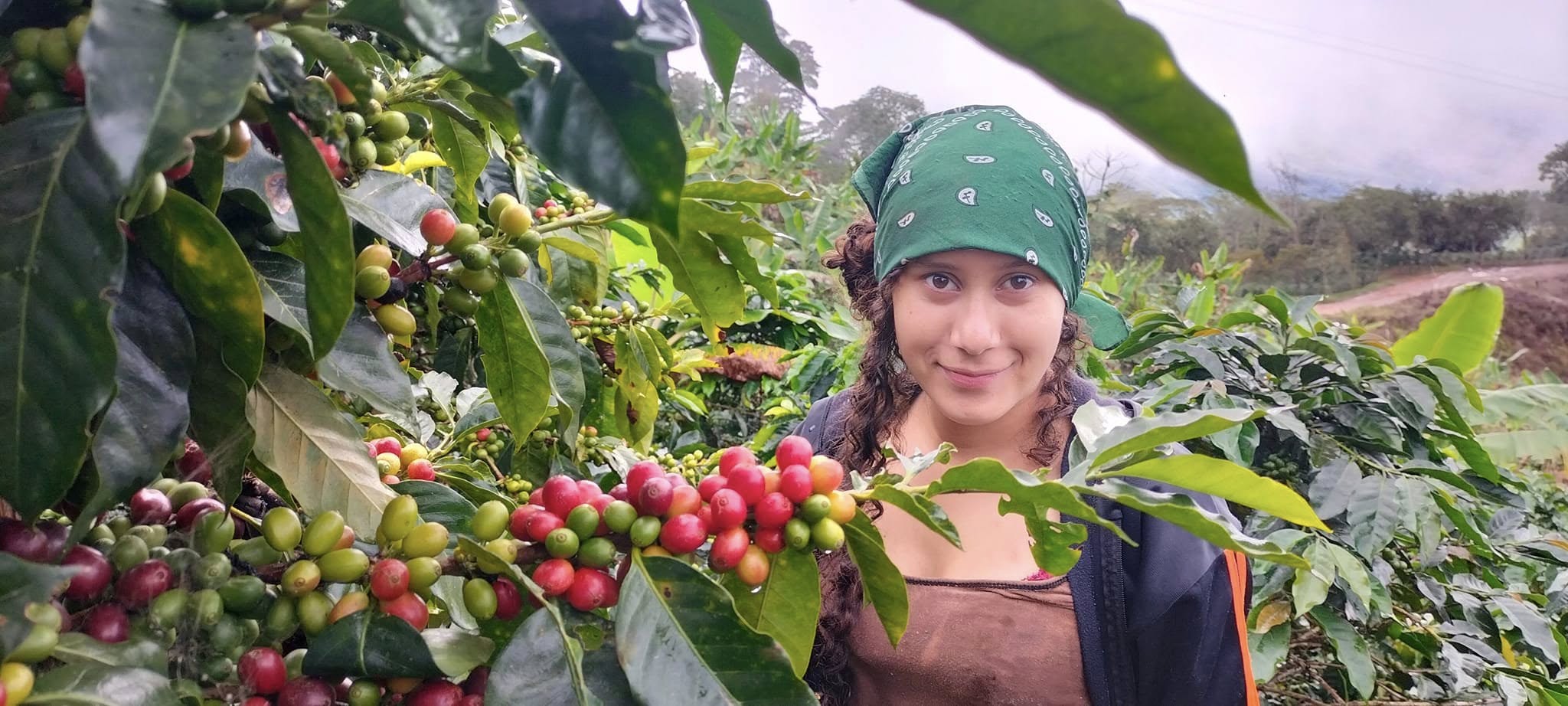
Castillo is a hybrid cultivar developed by cross-pollinating Caturra with Timor Hybrid. This coffee has undergone the Ethyl Acetate decaffeination process. Firstly, the beans are soaked and treated with steam to draw the caffeine from within to the outer surface. Ethyl Acetate is then applied directly to the beans. As a chemical solvent, EA removes the caffeine. Afterwards, water is once again applied to the coffee beans in order to drive out any residual solvent. Finally, the beans are dried out. After the roasting process any further residues of the chemical solvent will have been removed. As EA is a naturally occurring chemical produced in many fruits and vegetables, it is often referred to as the ‘sugarcane’ decaf process.